







When a fire won’t stay lit, produces more smoke than heat, or leaves your stove glass coated in soot, the problem often isn’t the stove. It’s the wood.
One of the most important factors in burning firewood safely and efficiently is moisture content. Properly seasoned firewood should measure under 20 percent moisture. Anything higher than that will burn cooler, create excess smoke, and contribute to creosote buildup in your chimney.
Whether you harvest your own wood or purchase it, knowing how to check moisture content gives you confidence that your fire will be hot, clean, and efficient. There are three reliable ways to evaluate your firewood before lighting your next fire.
Why Moisture Content Is So Important
Freshly cut wood contains a significant amount of water. Even after it has been split and stacked, it takes time for that moisture to evaporate from deep within the log. As wood dries, its internal structure changes, becoming lighter, more stable, and far more efficient as a fuel source.
Burning wet wood wastes energy because the fire must first burn off excess moisture before it can produce usable heat. This results in lower temperatures, more smoke, and greater creosote accumulation in chimneys and flue systems. Over time, that buildup can become a serious safety concern.
Dry, properly seasoned firewood produces more heat, burns more cleanly, and allows you to make the most of every log.
Visual Signs That Firewood Is Dry
One of the simplest ways to assess firewood is by carefully observing it.
As wood dries, cracks begin to form on the ends of the logs. These cracks are called checks. They occur because the wood shrinks as moisture leaves the fibers. The presence of checks is often a strong indication that the wood has been drying for some time. In many cases, deeper or more pronounced cracks suggest a longer seasoning period.
Dry firewood also tends to appear lighter in color than freshly cut wood. The surface may look dull rather than vibrant, and the bark may begin to loosen or peel away. When handled, seasoned wood often feels noticeably lighter than a freshly cut piece of the same size.
Because dry wood contains less moisture, it can splinter more easily. For that reason, it is always wise to wear gloves when handling firewood.
While visual inspection is helpful, it is not foolproof. A log can appear dry on the outside while still holding moisture in the center. For that reason, visual cues are best used as an initial assessment rather than a final confirmation.

The Sound Test
Another traditional method for checking firewood is listening to the sound it makes.
When two logs are knocked together, the sound can reveal quite a bit about their internal moisture content. Wood that is still too wet will produce a dull, heavy thud. The excess moisture absorbs vibration, preventing the sound from traveling clearly through the wood.
Properly seasoned firewood, on the other hand, tends to make a sharper, more hollow sound. In some cases, it may even produce a slight ringing tone. This occurs because dry wood is more rigid, allowing sound waves to travel through it more freely.
The sound test works best when you have multiple pieces to compare. Like visual inspection, it offers helpful clues but does not provide a precise measurement.
Using a Moisture Meter for an Accurate Reading
The most reliable way to determine whether firewood is ready to burn is by using a moisture meter. These small handheld tools provide a clear numerical reading, removing any guesswork.
For an accurate measurement, it is important to split a piece of firewood before testing. The outer surface dries more quickly than the interior, so testing only the outside can give a misleading result. Once the log is split, insert the prongs of the moisture meter into the freshly exposed center of the wood. This reveals the true internal moisture content.
Firewood that measures under 20 percent moisture is considered ready to burn. Many people find that wood in the 15 to 20 percent range burns especially well. If the reading is above 20 percent, the wood will benefit from additional time stacked and drying.
A moisture meter is a valuable tool for anyone who relies on wood heat. It provides peace of mind and helps ensure every fire is as efficient as possible.

What Happens When You Burn Wet Wood
Understanding the consequences of burning wet wood reinforces why testing moisture content matters.
Wet wood produces less usable heat because so much energy is spent evaporating water. Fires struggle to stay lit and require more frequent tending. Smoke output increases significantly, which not only affects indoor air quality but also contributes to creosote buildup in chimneys. Over time, excessive creosote can increase the risk of chimney fires.
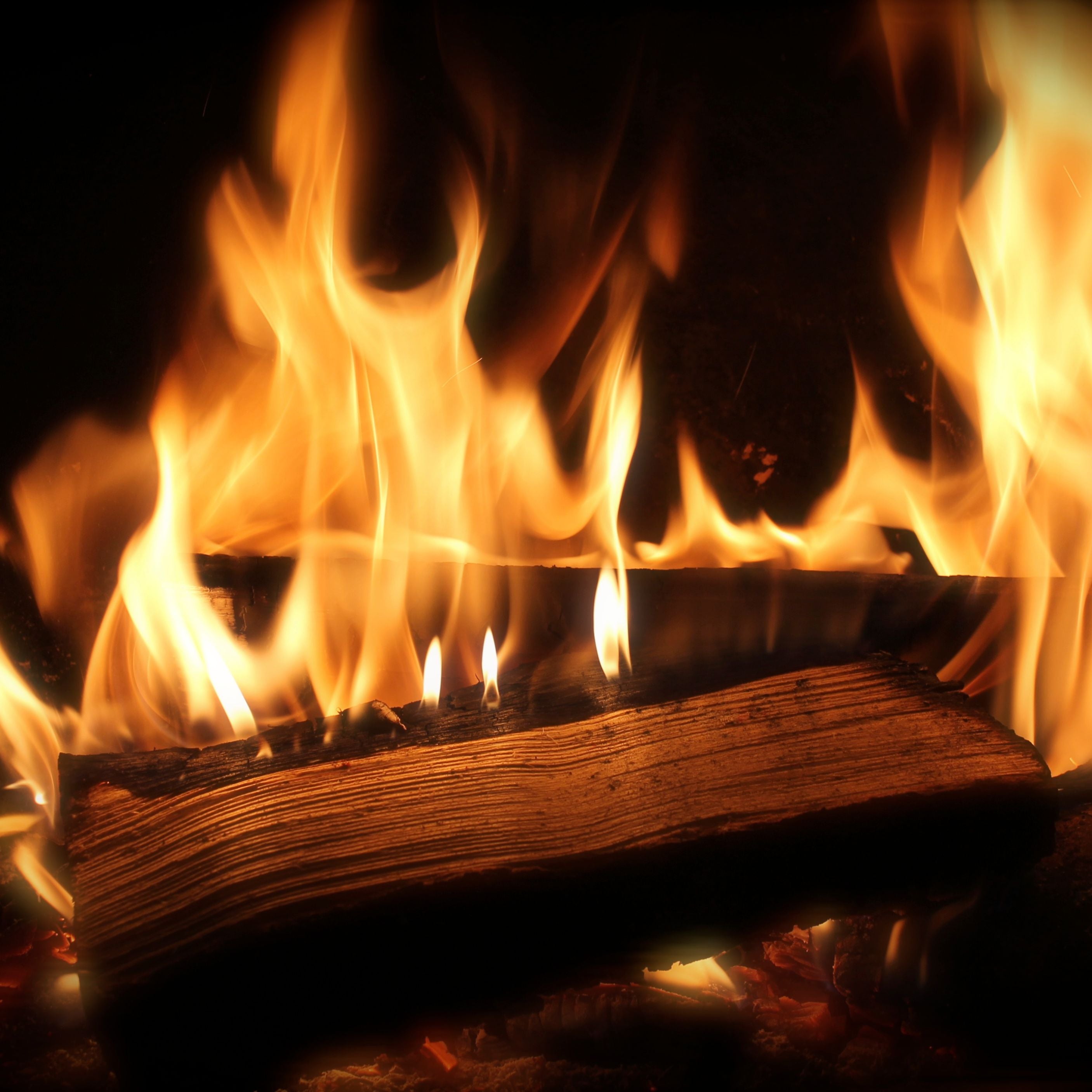
In contrast, dry firewood burns hotter and cleaner. It produces more consistent heat, less smoke, and significantly less creosote. The difference is noticeable both in performance and in maintenance.
Properly Seasoning Firewood
Seasoning firewood well begins long before it reaches your stove.
Wood should be split soon after cutting to allow moisture to escape more efficiently. It should then be stacked off the ground in a location that receives good airflow and sunlight. Covering the top of the stack protects it from rain and snow, while leaving the sides open allows air to circulate.
Depending on the species and local climate, most firewood requires six to twelve months or longer to season properly. Patience during this process pays off in safer, more effective heating.

A Final Word on Burning Well
Checking the moisture content of your firewood is a simple step that makes a meaningful difference. By observing visual signs, listening to the sound of the wood, and confirming with a moisture meter, you can be confident your firewood is truly ready to burn.
Dry wood honors the resource it came from. It burns efficiently, reduces waste, and supports safer home heating. Taking the time to test and properly season firewood ensures that each log delivers the warmth it was meant to provide.