


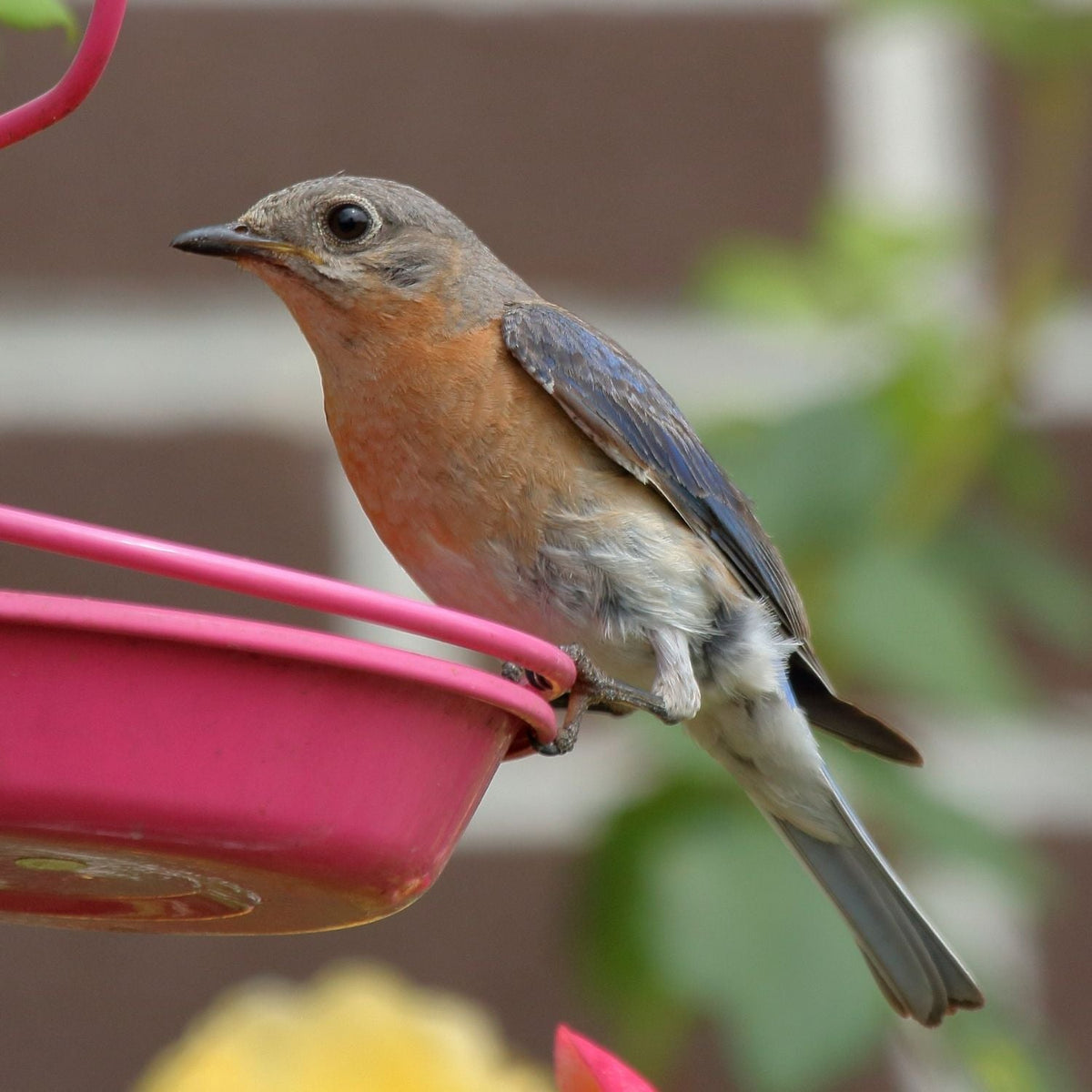
There's something special about watching the farm come alive with birds, especially as the seasons change. Lately, we've been enjoying a flurry of Eastern Bluebird activity. Their brilliant blue feathers are hard to miss as they move between the trees, fields, and gardens. Even after years of watching and caring for these beautiful birds, I never grow tired of seeing them.
Over the years, our work maintaining a bluebird trail and creating wildlife habitat throughout the farm has taught us just how important food sources are for our native birds. While planting native trees and shrubs provides natural food and shelter, backyard bird feeders can offer an additional source of nourishment, especially during the colder months.
But not all bird seed is created equal, and choosing the right blend can make a difference in which birds visit your feeders.
Understanding What Birds Actually Eat
One of the biggest misconceptions about feeding wild birds is that any bag of bird seed will do. Many inexpensive blends contain large amounts of grains such as milo, corn, and millet. While some birds enjoy these ingredients, others will simply toss them aside in search of something more appealing. This can leave a pile of uneaten seed beneath your feeder, creating unnecessary waste and potentially attracting unwanted visitors.
It's also important to remember that different bird species have different dietary needs. Cardinals, chickadees, titmice, nuthatches, and woodpeckers enjoy a variety of seeds and nuts. Eastern Bluebirds, however, are not typical seed-eating birds.
For much of the year, bluebirds rely on insects, including beetles, caterpillars, crickets, and grasshoppers. As temperatures drop and insects become less available, berries become an increasingly important part of their diet. This is one reason we've always emphasized the importance of maintaining natural food sources throughout the farm.
Why We Recommend Wild Delight
When selecting bird food, we prefer blends made with high-quality ingredients rather than inexpensive fillers. One brand we recommend is Wild Delight, particularly their Nut N' Berry and Bugs N' Berries blends.
Nut N' Berry contains a variety of sunflower seeds, peanuts, pistachios, pumpkin seeds, and dried fruit, including raisins and cranberries. It's an excellent choice for attracting a variety of backyard birds, including cardinals, chickadees, titmice, nuthatches, and woodpeckers. What makes this blend especially interesting is the addition of real fruit. Bluebirds enjoy picking through the mixture for the berries, leaving much of the seed for the other birds.
For those hoping to attract bluebirds specifically, Bugs N' Berries is another wonderful option. In addition to dried fruit and seeds, this blend contains mealworms, black soldier fly larvae, and darkling beetles. These insect ingredients are particularly appealing to bluebirds and other insect-eating species, providing a supplemental food source when natural insects are less abundant.
Both blends are made without corn, millet, or milo, which helps reduce the amount of unwanted seed in feeders intended for these species.
Don't Forget the Water!
One important consideration when offering dried mealworms is providing a reliable source of fresh water. Unlike live insects, dried mealworms contain very little moisture. Birds normally obtain some of their hydration from the foods they eat, so access to drinking water is particularly important when offering dried insect foods.
A shallow birdbath with clean water is a simple addition that can benefit many species, even those that rarely visit feeders. During freezing weather, a properly maintained heated birdbath can be especially valuable.
It's also worth mentioning that dried mealworms should not replace live insects for feeding young bluebird nestlings, which need moisture-rich food.
Creating a Backyard That Welcomes Wildlife
While bird feeders are a wonderful way to observe wildlife, they're only one small part of supporting native bird populations. Planting native berry-producing trees and shrubs, leaving some natural areas undisturbed, minimizing pesticide use, and providing fresh water can all contribute to a healthier habitat. Native plants support the insects that birds depend on, while fruit-bearing species such as dogwoods, serviceberries, and winterberries provide seasonal nourishment.
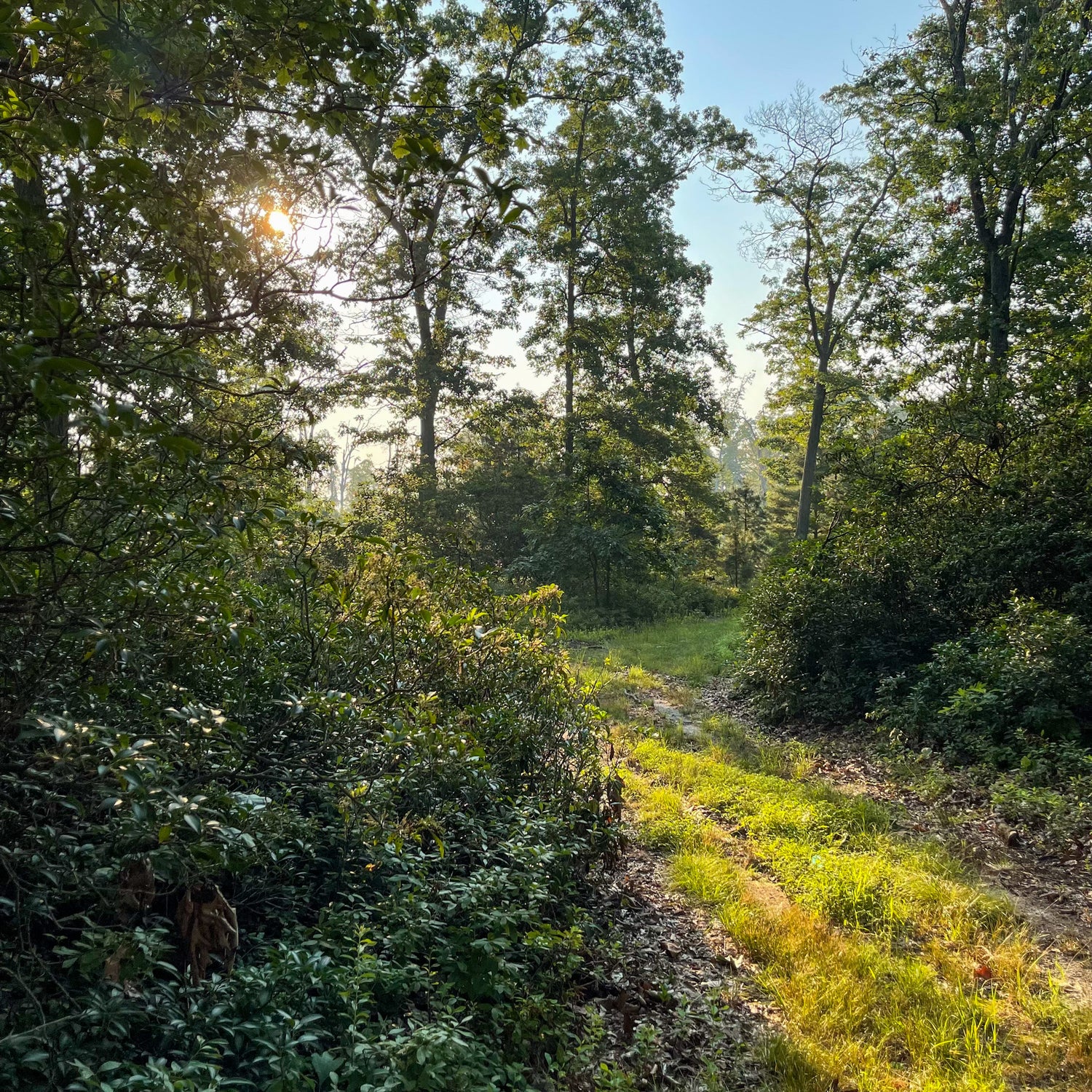
Here on the farm, we're continually reminded of how connected everything is. The trees provide shelter, the plants support insects, and those insects, in turn, nourish the birds. Even the fallen leaves and decaying wood play a role in maintaining a healthy ecosystem. Choosing better bird food is one simple way we can help, but creating a landscape that naturally supports wildlife is an investment that continues to give back year after year.
And perhaps the greatest reward is simply taking a few moments to watch. Whether it's a flash of blue among the branches, a chickadee carrying off a sunflower seed, or a woodpecker visiting the feeder, there's always something worth noticing when we make room for nature.